Drying, storing, and preparing firewood play an important role in ensuring that the wood burns optimally and provides the heat you need. In this guide, we will provide you with useful tips and guidelines for preparing firewood for heating, so you can make the most of your heat source.
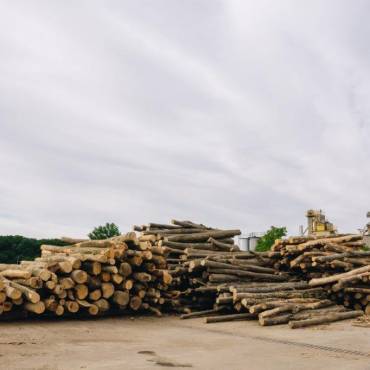
Selecting and cutting the wood: Before starting with the preparation of firewood, it is important to choose the right type of wood for heating. Popular types of wood such as oak, beech, or ash are often used for heating due to their high calorific value and long-lasting burn. After selecting the type of wood, the next step is cutting and splitting the wood into appropriate lengths for your stoves or fireplaces. It is recommended to cut the wood during the dormant period of the trees, such as late autumn or early winter, to ensure a lower moisture content in the wood.
Drying the wood: Drying the wood is a crucial step in preparing firewood. Freshly cut wood has a high moisture content, which can result in poor burning and less heat output. The ideal moisture level for firewood is between 15% and 20%. Drying the wood can take several months to several years, depending on the type of wood and drying conditions. Here are a few tips for drying the wood:
- Place the wood on an elevated platform to allow air circulation around it.
- Provide protection from rain while ensuring good ventilation to prevent moisture condensation.
- Stack the wood in layers with spaces between them to allow air flow.
- Regularly check the moisture level of the wood using a moisture meter. Once the moisture drops to the desired level, the wood is ready for storage and further preparation.
Storing the wood:
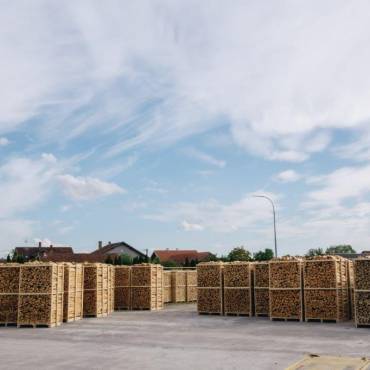
Once the wood is dry, it needs to be properly stored to preserve its quality. Here are a few guidelines for storing firewood:
- Store the wood in a dry and open area, away from moisture and exposure to rain.
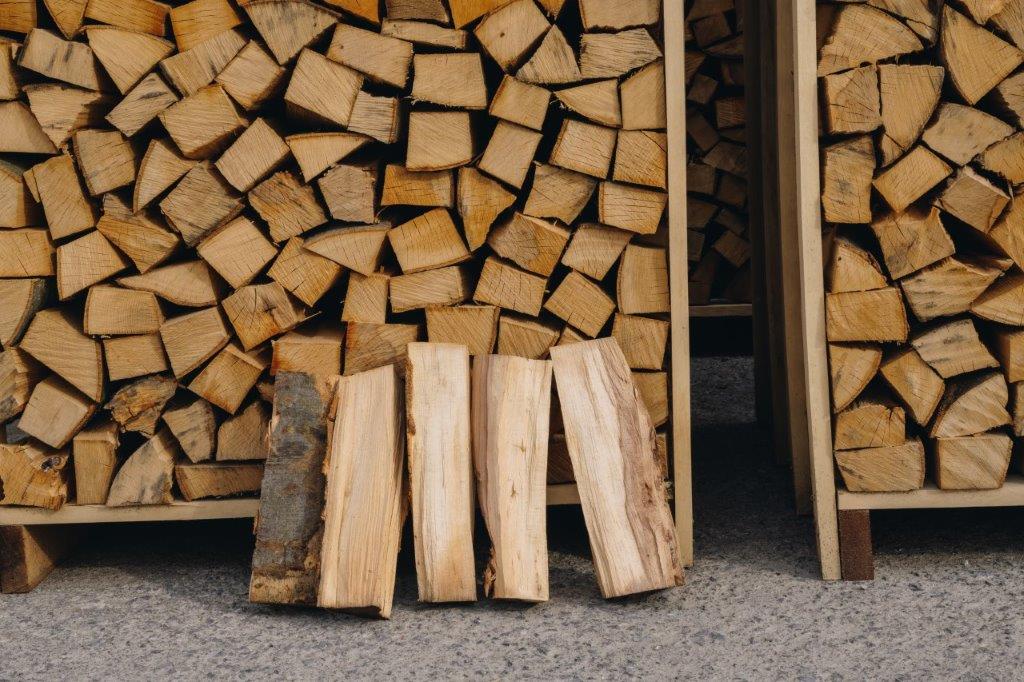
- Use a wooden pallet or place a board between the ground and the wood to prevent direct contact with the soil, which can cause moisture absorption.
- Stack the wood in neat piles with spaces between the logs to allow air circulation.
- Protect the wood from strong winds using a tarp or other material that prevents excessive drying of the wood.
Preparing the wood: Before using the firewood, it needs to be prepared for optimal burning. Here are a few steps for preparing the wood:
- Check if the wood is dry enough. Use a moisture meter to check the moisture level. Ideally, the wood should have a moisture content between 15% and 20%.
- Perform additional cutting and preparation of the wood to the desired size for your stoves or fireplaces.
- Remove any bark or debris from the surface of the wood.
- Prepare an adequate amount of firewood to avoid frequent interruptions and ensure a consistent heat supply.
By following these steps for preparing firewood, you ensure efficient burning, long-lasting heat, and maximum utilization of your heat source. It is also important to check and follow local regulations and guidelines regarding the preparation and use of firewood.
Note: When working with wood, always exercise caution and use appropriate safety equipment to prevent injuries.